Thatched Cottage Embroidery Design Review
As an experienced embroidery designer and product reviewer, I always look for designs that not only capture the eye but also perform reliably across a range of real-world projects. Thatched Cottage is one such design—its charm and character are immediately noticeable, and it’s built with enough detail to make a lasting impression on both personal and commercial embroidery work.
A Visual Retreat in Stitch Form
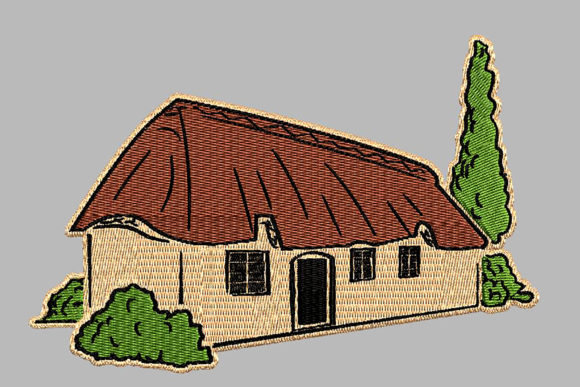
The first thing that stands out about Thatched Cottage is its peaceful and nostalgic aesthetic. It evokes a sense of quiet countryside life, with a gently sloped roof, charming window, and subtle textures that mimic the roughness of thatched materials. The layout is balanced, making it visually appealing from a distance while still inviting closer inspection. The overall mood is cozy and inviting, which makes it ideal for projects where you want to convey warmth and tradition.
This design doesn’t scream for attention—it whispers instead. That’s a big plus when working on handmade products or custom apparel where subtlety and elegance matter. The level of detail is just right; there’s enough to give depth without overwhelming the fabric or the machine. It feels like a heritage building brought to life through thread, and that's exactly what makes it stand out as more than just another farm-themed embroidery file.
Real-World Performance: Where Thatched Cottage Shines
Thatched Cottage works exceptionally well on canvas for wall decor. The structure and lines hold up beautifully under dense stitch areas, especially when using satin and fill stitches together. For those who sell small shop products or craft fair items, this could be a great feature for embroidered pillows, tea towels, or aprons—especially if they're intended for home décor rather than frequent use.
In custom apparel settings, the design adapts surprisingly well. On sweatshirts and t-shirts, it adds a soft, whimsical touch without being too busy. Its shape fits nicely into rectangular or square areas, which makes it versatile for tote bag designs or even embroidered patches. The visual personality of the cottage allows it to blend seamlessly with other decorative accents, such as trees or animals, making it easy to build a cohesive theme around it.
I’ve also considered how it might appear on baby clothes or holiday gifts. While it’s not overtly cute or festive, its gentle nature aligns well with nursery decor or personalized gifts for someone who loves rural aesthetics. When paired with simpler text or borders, it can become part of a memorable gift item that feels both unique and timeless.
Where Caution Is Advised
Despite its versatility, there are situations where Thatched Cottage needs careful handling. First off, avoid small hoop sizes unless you’re prepared to scale down the entire design and potentially lose some of its finer details. The thatch texture, while lovely, may not translate clearly at smaller sizes, especially if the stitch density isn’t adjusted properly.
Textured fabrics can also be tricky. If you're planning to use this on denim, burlap, or similar materials, consider testing it on a scrap piece first. The stitch definition might soften depending on the fabric’s grain and weave. Thin or stretchy fabrics aren’t the best match either—without proper stabilizer, the cottage could distort slightly during stitching, which would detract from its carefully crafted look.
Dark fabric backgrounds are another area to think about. The cottage relies on contrast between thread colors to show its features, so if you're embroidering on black or navy garments, the effect may not pop as expected. Always check thread color contrast against your chosen fabric before committing to a full project.
When considering curved surfaces like caps or hats, the design’s symmetry becomes key. A slight misalignment due to fabric tension can throw off the proportions. And if you're thinking of layering it onto a garment with multiple panels or seams, make sure the placement accounts for any shifts or stretches after sewing.
Design Impact: More Than Just Looks
Using Thatched Cottage in your embroidery projects can significantly boost visual appeal and customer engagement. Its recognizable silhouette and warm vibe help in creating a strong brand identity for craft businesses or Etsy sellers who focus on rustic or countryside themes. As a design asset, it brings consistency to product lines and enhances the perception of quality in finished products.
From a practical standpoint, this embroidery file supports both personal and professional applications. Whether you're making a personalized gift for a friend or designing a new line of sweatshirt embroidery for your boutique, the cottage’s classic form ensures it won’t go out of style quickly. This kind of longevity is rare in the fast-moving world of digital embroidery files, and it’s a major benefit for creative entrepreneurs looking to build a cohesive collection over time.
Handmade presentation is elevated by this design. It looks intentional and thoughtful, adding value to whatever surface it’s stitched onto. Customers tend to notice and appreciate the effort behind such pieces, which in turn builds trust in your brand or service. In short, Thatched Cottage helps you create something that feels made with care—and that’s powerful in today’s market.
Designer Notes: Practical Tips for Use
- Test it on scrap fabric first: Especially if you're using it for a commercial embroidery project or digital product preview. This will save time and materials later on.
- Check thread color contrast: Ensure the cottage stands out clearly against the fabric you plan to use. Lighter thread on dark fabric might need extra attention to stitch density.
- Review stitch density: The thatched roof uses running stitch elements that may require tweaking depending on the fabric thickness.
- Confirm hoop size: Before loading the design into your machine, double-check the recommended hoop dimensions if provided. If not, test it yourself to avoid distortion.
- Inspect small details: Look closely at corners and edges in printable mockups. These areas should be crisp and clean to maintain the cottage’s charm.
- Try it in black and white: See how it translates in monochrome for minimalist or modern looks.
- Compare light and dark backgrounds: You might be surprised how much the design changes depending on the fabric shade.
- Use proper stabilizer: Especially important for thin or stretchy materials. A tear-away or cut-away stabilizer can keep everything in place and prevent puckering.
- Confirm licensing: If you're planning to sell finished items or digital embroidery files, make sure the original license permits commercial use.
Final Thoughts on Project Fit
Thatched Cottage is not a flashy design, but it carries a quiet strength that makes it adaptable and enduring. It suits farmhouse-inspired interiors, seasonal décor, and bespoke apparel alike. However, its charm comes with a few nuances that every seasoned embroidery designer knows to respect.
If you're aiming for a design that feels authentic and adds emotional value to your products, this is a solid choice. But if your project involves high-wear items, tiny spaces, or unusual substrates, take a step back and evaluate whether it’s the right fit. Sometimes, simplicity is better, and Thatched Cottage walks that line perfectly.
In my experience, designs that feel like a story told in thread have a special place in the hearts of customers. Thatched Cottage tells a story of peace, heritage, and beauty—something that resonates deeply in handmade products and personalized gifts. Just make sure you approach it with the same care and intention that it inspires.