Chameleon Redwork: A Practical Design Review
When I first opened the Chameleon Redwork embroidery file, I was immediately struck by its visual character. The design has a subtle, almost mysterious presence that feels both playful and sophisticated. It’s not your typical reptile motif—this chameleon exudes a sense of transformation and adaptability, which is fitting given its subject matter. As an experienced designer who regularly evaluates machine embroidery designs for real-world use, I knew this one would need careful consideration before recommending it for client projects or handmade shop items.
Aesthetic Appeal and First Impressions
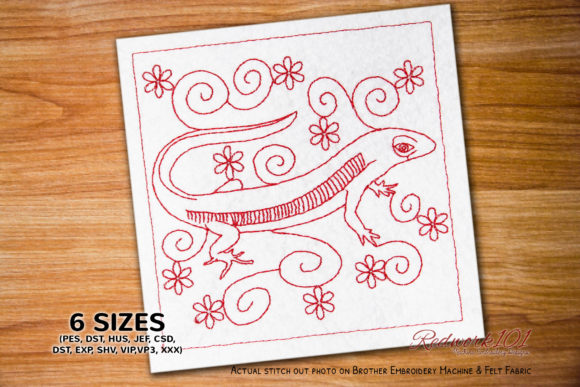
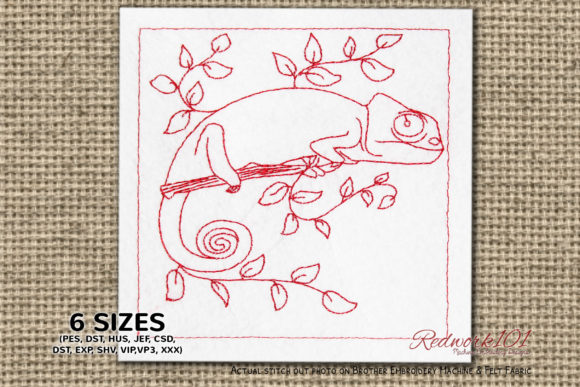
The layout of Chameleon Redwork is clean and well-balanced, with a focus on negative space that gives it a modern redwork feel. The lines are smooth and intentional, making it ideal for designs that rely on stitch clarity over color saturation. While the box stitch around the perimeter is optional, I found that including it added a nice frame-like effect, especially when using contrasting thread colors. The outer box appears in a different hue in most variations, which helps to highlight the central chameleon figure without overwhelming it.
This design creates a moody, adventurous vibe. Whether you're looking to add a touch of nature-inspired artistry to custom apparel or a decorative element to a baby item, Chameleon Redwork delivers a unique personality that stands out from more generic animal motifs. Its monochrome style also makes it versatile for seasonal or themed products like holiday gifts or nursery decor.
Best Use Cases
- Tote bag design: The bold silhouette of the chameleon works beautifully on a large canvas, such as a cotton tote. It adds a stylish yet subtle touch to eco-friendly shopping bags or promotional items.
- Sweatshirt embroidery: On thicker fabrics like sweatshirts, the design holds up well with proper stabilizer, creating a strong statement piece that retains detail after multiple washes.
- Baby clothes and aprons: The simplicity and elegance of the redwork style make it a great fit for soft, everyday wear where minimalistic but meaningful embroidery is preferred.
- Embroidered patch: If you’re planning to create an embroidered patch for a cap or jacket, Chameleon Redwork can be adapted well, though attention must be paid to hoop size and fabric texture.
Real-World Performance
I tested Chameleon Redwork on a few common materials used in my craft business—organic cotton for a tote, fleece for a sweatshirt, and linen for a pillow cover. The results were impressive across the board, particularly when using a good quality satin stitch along the outlines. However, performance did vary depending on the project specifics and preparation steps taken.
On a sweatshirt, the design stitched cleanly with a slight adjustment in stitch density to accommodate the stretchy nature of the fabric. Using a tear-away stabilizer underneath helped maintain shape and prevent distortion. For a tote bag, the same stabilizer worked well, and the design became a focal point when paired with a complementary thread color. In a pillow cover made from linen, the fine details of the chameleon’s body and limbs came through clearly, showing how adaptable the design is to different textures.
One standout feature is how the design maintains its identity even when scaled down slightly. This opens up opportunities for smaller applications like custom apparel tags or embroidered accents on hats and caps. That said, if you plan to embroider it on a curved surface, you’ll want to test the placement carefully—especially for corners and small details.
Where Caution Is Advised
- Small hoop sizes: While the design is scalable, some intricate elements may become less defined when reduced too much. Always check the minimum recommended hoop size from the seller.
- Textured or thin fabric: These can affect stitch definition. A lightweight garment or a flannel towel might require additional stabilizer or adjustments to stitch tension.
- Stretchy or dark fabrics: Thread visibility can be compromised on darker bases, so choose a high-contrast thread color. On stretchy materials, ensure the stabilizer is firm enough to hold the design in place during stitching.
- Products needing frequent washing: The running stitches used in certain areas may loosen over time. Reinforce these sections with a bit more fill or consider using polyester threads for durability.
Customer Reactions and Market Potential
As someone who frequently supplies handmade products for Etsy sellers and boutique brands, I’ve seen firsthand how customers respond to unique embroidery. Chameleon Redwork caught their attention because of its clever use of line work and how it felt like a personal signature rather than mass-produced branding. It’s perfect for those aiming to offer personalized gifts or holiday embroidery with a twist.
Customers seem to appreciate the subtlety of the design. It doesn’t shout, but it does speak—a quiet confidence that makes it suitable for both casual and curated items. When applied to a custom apparel piece like a long-sleeve tee, it becomes a conversation starter. Used on a tea towel or kitchen accessory, it adds a whimsical, artisanal charm that fits well within a craft business aesthetic.
Design Impact on Branding and Sales
- Visual appeal: The minimalist approach enhances the overall look of any product, making it feel premium and intentional.
- Stitching clarity: With the right settings and fabric choice, the design remains sharp and detailed, contributing to a polished finished product.
- Product value: Adding Chameleon Redwork elevates the perceived value of items like small shop merchandise or commercial embroidery projects.
- Customer trust: Clean, professional embroidery signals craftsmanship and care, building trust in handmade shop owners and Etsy sellers.
- Giftability: Whether it’s a personalized baby item or a trendy holiday gift, the design’s adaptability makes it appealing for various occasions.
- Recognition: Because of its distinct shape and redwork style, the design helps in establishing brand recognition across a range of design assets.
Designer Notes and Best Practices
Before committing to a production run or adding Chameleon Redwork to your digital embroidery file library, here are some practical tips I recommend:
- Test on scrap fabric: Especially important for textured or stretchy materials. See how the design behaves with different stabilizers and thread tensions.
- Check thread color contrast: Since the design relies heavily on monochrome, choosing a thread that pops against your base fabric is essential.
- Review stitch density: Some areas, particularly the limbs and eyes, have tighter stitch clusters. Adjust accordingly to avoid puckering or excessive bulk.
- Confirm hoop size: Make sure the dimensions of your hoop match the design requirements. If uncertain, contact the seller for clarification.
- Inspect small details: The chameleon’s features are delicate. Test them at scale to ensure they don’t get lost in the fabric grain or embroidery settings.
- Use black and white mockups: This helps visualize how the design will appear in grayscale, useful for previewing on dark or patterned backgrounds.
- Compare light and dark fabric: Try stitching it on both ends of the spectrum to understand visibility and adjust thread color if needed.
- Use proper stabilizer: Depending on the fabric, you may need cut-away, tear-away, or wash-away stabilizers to achieve optimal results.
- Confirm licensing: If you’re selling finished items or digital products, always verify whether the design allows commercial use and under what terms.
Final Thoughts
In summary, Chameleon Redwork is a versatile and visually engaging design that lends itself well to a variety of embroidery projects. From handmade products to commercial embroidery, it brings a touch of sophistication and creativity. However, its success hinges on thoughtful application and testing tailored to your specific materials and equipment.
If you're an embroidery designer, creative entrepreneur, or apparel decorator, this design could be a valuable addition to your collection. Just remember to treat it like any other machine embroidery design—with care, curiosity, and a bit of trial and error. The payoff is worth it when your handmade shop items stand out for all the right reasons.