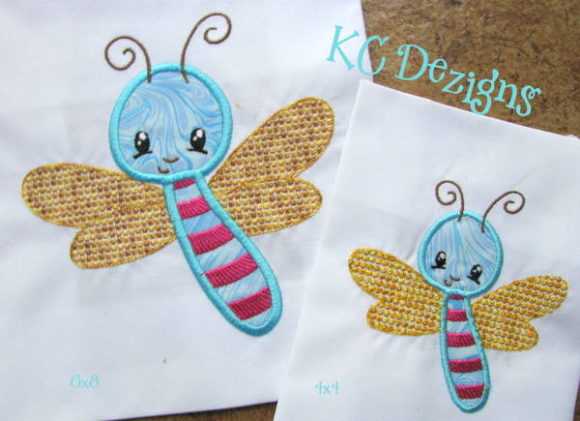
Baby Bug Fly: A Versatile Machine Embroidery Design for Small Business Merch
Real-World Business Use Cases for Baby Bug Fly
When reviewing embroidery designs for branded merchandise, I consider how they translate across various materials and placements. Baby Bug Fly seems like a strong contender for:
- Embroidered Patches: This design would make a delightful patch for tote bags, caps, or even aprons. Its cute imagery fits well with boutique merch and customer gifts.
- Chest Logo Accents: For small café staff uniforms or bakery work shirts, placing Baby Bug Fly as a subtle chest accent adds personality without overwhelming the look.
- Sleeve Details: On casual uniforms or event merch, a small version of Baby Bug Fly stitched along the sleeve can elevate the finished product while keeping it professional.
- Cap Embroidery: Whether used on baseball caps or bucket hats, the design brings a playful yet clean aesthetic, especially if sized appropriately for the cap front.
- Tote Bag Designs: When applied as a corner mark or centered feature, Baby Bug Fly enhances the handmade product appeal of a tote bag, making it ideal for Etsy sellers and creative studios.
- Apron Embroidery: For a local florist or pet brand, this design could serve as a decorative yet functional element on staff aprons or branded take-home items.
- Product Packaging Accents: Stamped subtly on custom packaging or reusable bags, Baby Bug Fly reinforces brand identity in a way that feels thoughtful and cohesive.
Its placement versatility makes it a valuable addition to any embroidery shop's design library. It's not just about decoration—it's about creating a consistent visual language that supports your brand across all touchpoints.
Where to Use Baby Bug Fly with Caution
- Small Patch Sizes: If using it as a tiny embroidered patch, ensure the details remain clear and legible. Test at minimum size before finalizing production.
- Curved Surfaces: On caps or curved parts of uniforms, stitch alignment and fabric distortion may affect the outcome. Proper stabilizer and digitization techniques are key.
- Tiny Lettering (if included): If the design includes text, avoid using it in very small formats where readability becomes an issue.
- High Stitch Density: Areas with dense stitching might cause puckering or require additional stabilizer, especially on lightweight or stretchy fabrics.
- Textured Fabric: While suitable for quilting, it may not render as smoothly on rougher or woven textiles. Always test on real fabric first.
- Dark Uniforms: Consider thread color contrast carefully when applying this design on darker backgrounds to maintain visibility and impact.
- Frequent Washing: High-use items like aprons or tote bags should be tested for durability and colorfastness, particularly if you plan to embroider them in-house.
Design Notes for Maximum Effectiveness
- Test it in black and white first to assess how the design looks without color. This helps determine if it’s still visually appealing in grayscale or monochrome branding.
- Check if it works at small patch size, especially if planning to use it as a label or pinback. Some intricate elements may get lost when scaled down.
- Review thread colors and their compatibility with your brand palette. Choose colors that reflect your brand’s personality—whether it’s rustic or modern.
- Inspect spacing between elements. Good spacing ensures clarity and prevents stitches from bleeding into one another during production.
- Confirm the hoop size options provided by the seller. This will help you match the design to your equipment and intended application.
- Always test on real fabric. Even the best digital embroidery file won’t perform perfectly without trial runs on the actual material you'll be using.
- Use proper stabilizer, especially if the fabric is delicate or the design has fine lines. Backing choices can dramatically affect the quality of the finished product.
- Create a printable mockup for client approval. Showing how Baby Bug Fly looks on a tote bag or cap before mass production builds trust and avoids costly revisions.
- Compare it beside other design assets to ensure visual consistency across your brand’s merchandise line.
- Lastly, confirm commercial licensing before using Baby Bug Fly for branded products. Many digital embroidery files come with restrictions that must be respected.
Impact on Brand Identity and Customer Engagement
Incorporating Baby Bug Fly into your small business merch can have a significant impact on brand perception. The design's friendly and slightly whimsical nature is great for brands targeting families, children, or those wanting to create a warm, inviting atmosphere.
For a boutique or handmade shop, using Baby Bug Fly consistently across items like aprons, labels, and tote bags can enhance visual recognition and strengthen brand identity. It also contributes to a sense of craftsmanship and attention to detail, which is crucial for building customer trust and engagement.
The charm of the bugs theme blends well with both rustic and modern aesthetics. Depending on your brand’s style, it can feel either premium or delightfully playful. Either way, it adds value by making your products stand out in a crowded market.
Enhancing Product Value and Professionalism
One of the biggest advantages of using Baby Bug Fly is its ability to elevate the perceived value of low-cost items. A simple tote bag or apron suddenly feels more curated and high-quality with a professionally stitched design.
When applied thoughtfully, it also maintains a level of professionalism. Unlike overly childish or cartoonish designs, Baby Bug Fly has a clean silhouette that works well in both commercial embroidery and handmade product contexts.
Final Thoughts for Embroidery Shops and Merch Creators
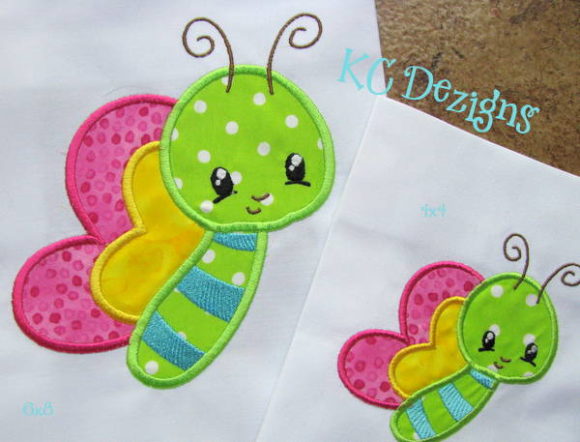
Baby Bug Fly is a machine embroidery design that offers a unique blend of cuteness and functionality. Its adaptability to different hoop sizes and surfaces makes it a solid choice for a variety of small business needs—from embroidered patches to custom apparel accents.
As an embroidery designer, I recommend treating this design as part of a broader set of brand assets. Think about how it complements your logo, fonts, and color scheme. When integrated correctly, it can reinforce your brand identity and create a memorable experience for customers.
Remember to always review the design’s specifics before committing to large-scale production. Check thread count, spacing, and overall structure. And don't forget to verify commercial embroidery rights, especially if you're planning to sell the finished product.
If you're looking for a design that balances charm with practicality, Baby Bug Fly is worth adding to your collection. Just take the time to understand its strengths and limitations so you can apply it effectively in your next project.